

“Trong bối cảnh các tiêu chuẩn môi trường, phát thải và phát triển bền vững ngày càng trở thành “giấy thông hành” của hàng hóa trên thị trường quốc tế, câu chuyện xanh hóa sản xuất đã vượt ra khỏi phạm vi lựa chọn tự nguyện để trở thành yêu cầu bắt buộc.”

01
“Giấy thông hành”, nhưng không dễ có
Theo bà Lâm Thúy Ái - Giám đốc Công ty CP Mebi Farm, thị trường và người tiêu dùng đang có những bước chuyển mình nhanh chóng. Thay vì chọn lựa cảm tính, người mua ngày càng khắt khe hơn khi soi xét kỹ lưỡng mọi thông tin, từ nguồn gốc, tiêu chuẩn chất lượng cho đến các phản hồi thực tế trên thị trường trước khi đưa ra quyết định cuối cùng.
Khi “sống xanh” đã trở thành một giá trị cốt lõi trong nhận thức xã hội, hành vi tiêu dùng tất yếu sẽ ưu tiên những sản phẩm minh bạch và bền vững. Chính sự thay đổi này đang tạo ra một áp lực tích cực, buộc các doanh nghiệp phải tự làm mới mình để thích nghi với đòi hỏi ngày càng cao của cộng đồng.
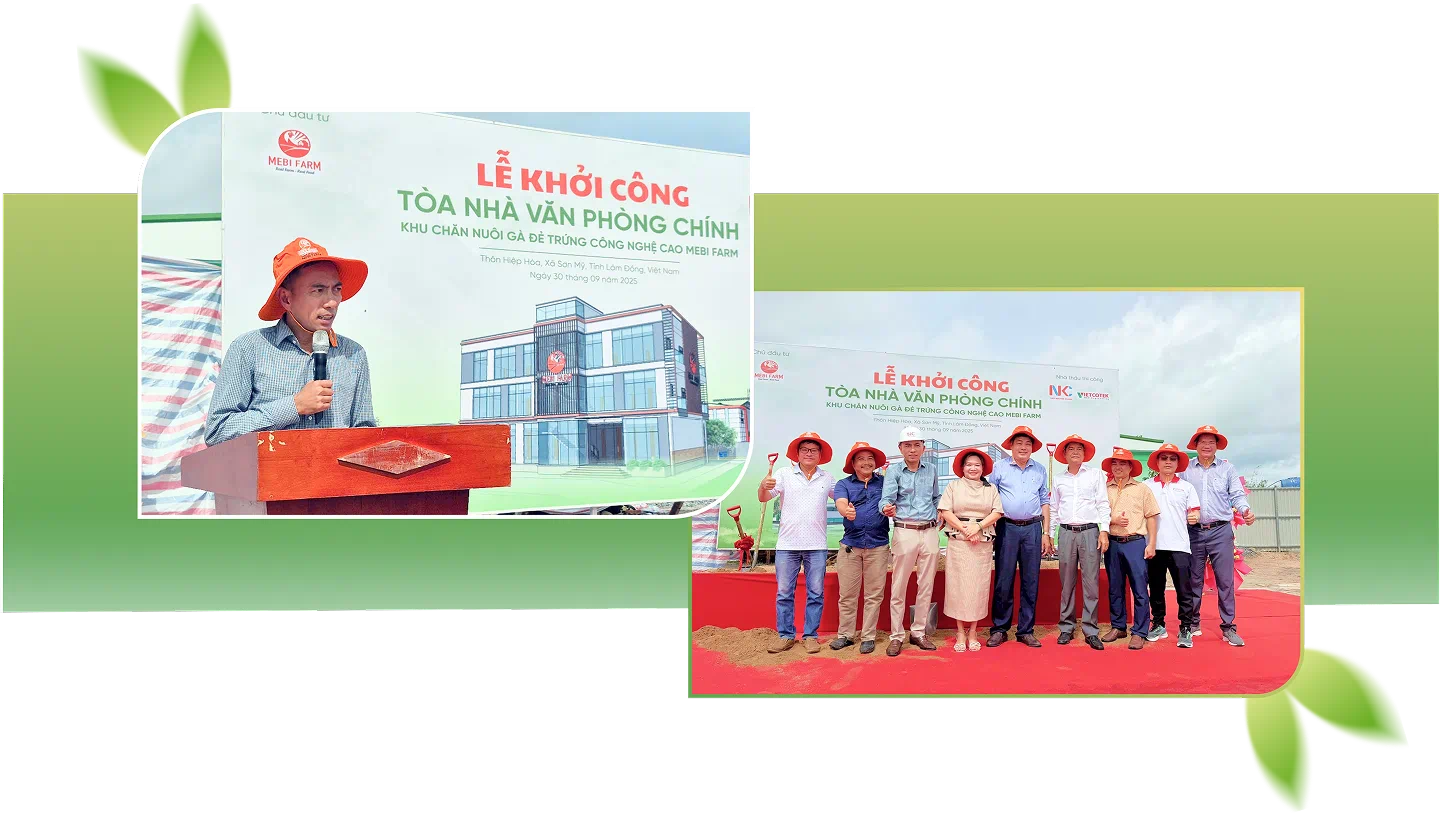
Thực tế này được minh chứng rõ nét qua câu chuyện của Mebi Farm. Bà Lâm Thúy Ái chia sẻ, mô hình trang trại chăn nuôi và sản xuất trứng gia cầm công nghệ cao tại Lâm Đồng của doanh nghiệp được xây dựng vững chắc trên nền tảng kinh tế tuần hoàn. Tuy nhiên, để hiện thực hóa tầm nhìn bền vững đó, doanh nghiệp đã phải chấp nhận bài toán chi phí đầu tư ban đầu vô cùng lớn.

Không chỉ dừng ở yêu cầu sản xuất sạch, doanh nghiệp còn phải tính toán sao cho giá thành sản phẩm đủ hợp lý để tiếp cận số đông người tiêu dùng

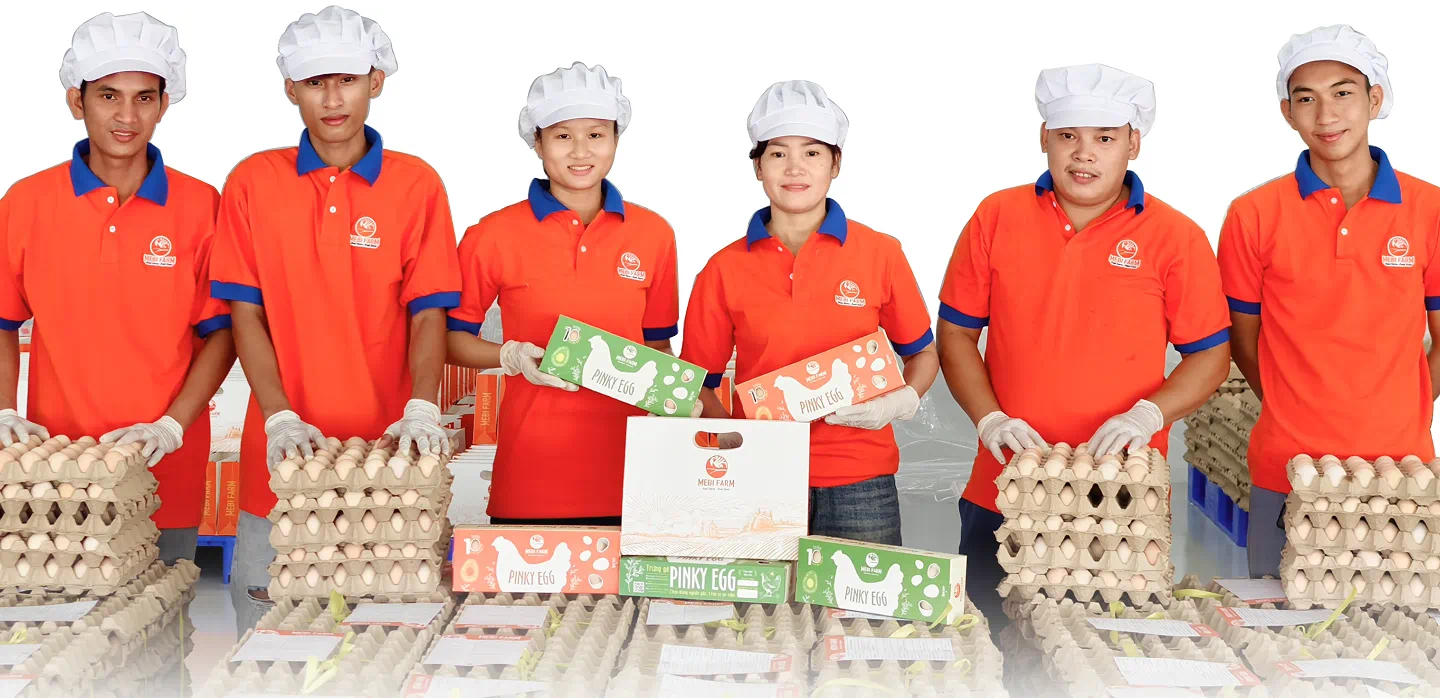
Để hiện thực hóa mô hình đó, nhiều doanh nghiệp buộc phải tối ưu hóa từng mắt xích trong chuỗi sản xuất, từ khâu logistics, nguồn nguyên liệu đến việc đầu tư nhà máy sản xuất thức ăn tại chỗ nhằm giảm thiểu chi phí vận chuyển. Việc tận dụng các phụ phẩm để tạo thêm nguồn thu cũng là một giải pháp then chốt giúp “kéo” giá thành xuống mức thị trường có thể chấp nhận. Tuy nhiên, không phải doanh nghiệp nào cũng có đủ tiềm lực tài chính và sự kiên nhẫn để theo đuổi lộ trình khắc nghiệt này.
Trong bối cảnh đó, bà Ái đã chỉ ra một nghịch lý: tín dụng xanh hiện vẫn chưa thực sự đồng hành đúng lúc cùng doanh nghiệp. Thay vì được hỗ trợ từ giai đoạn khởi đầu, phần lớn doanh nghiệp phải tự xoay xở vốn đầu tư và hoàn thiện mọi tiêu chuẩn, chứng nhận khắt khe trước, rồi mới có cơ hội chạm tay vào nguồn vốn ưu đãi. Sự chậm trễ này vô tình tạo ra một rào cản lớn cho những đơn vị đang nỗ lực chuyển đổi bền vững.
02
Doanh nghiệp chủ động tìm lối “Xanh”
Trong bối cảnh đó, các diễn giả khẳng định doanh nghiệp không thể chờ đợi một điều kiện lý tưởng mới bắt đầu chuyển đổi xanh. Thay vào đó, hành trình này cần khởi phát ngay từ trong tư duy quản trị. Một hướng đi chiến lược được nhiều đơn vị lựa chọn là chủ động áp dụng mô hình kinh tế tuần hoàn ngay trong nội bộ hệ thống vận hành.
Theo bà Lâm Thúy Ái, thay vì xem phụ phẩm là một gánh nặng chi phí xử lý, doanh nghiệp cần nhìn nhận chúng như những nguồn tài nguyên thứ cấp giá trị. Việc biến đầu ra của công đoạn này thành đầu vào cho công đoạn khác không chỉ giúp giảm thiểu tối đa chất thải ra môi trường, mà còn tạo thêm nguồn thu mới, góp phần quan trọng trong việc tối ưu hóa giá thành sản phẩm.
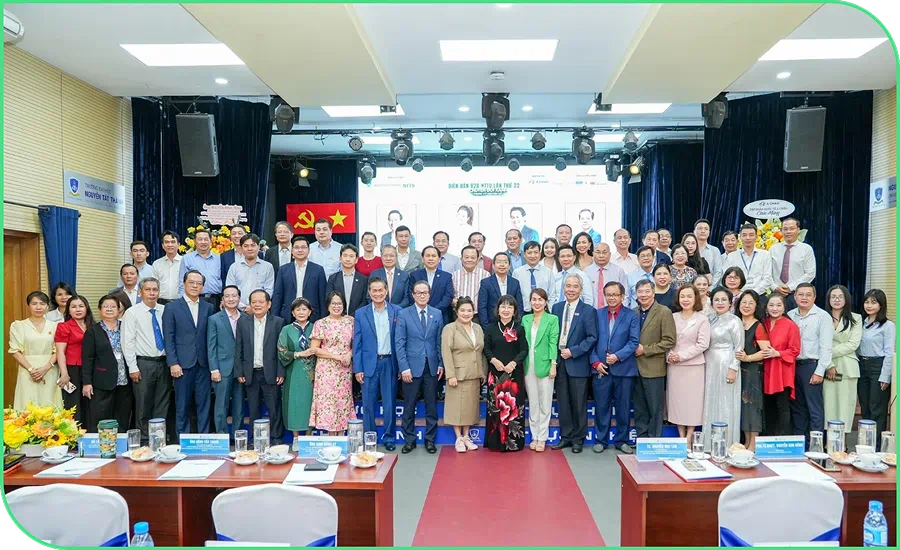

Tọa đàm nghệ thuật với chủ đề “Vì một tương lai xanh” - một dấu ấn trong chiến dịch cộng đồng “Cùng HTV hành động xanh” - đã đóng vai trò là nhịp cầu kết nối mạnh mẽ giữa cộng đồng, doanh nghiệp và các chuyên gia trên hành trình bảo vệ môi trường. Tại sự kiện, HTV cũng đã chính thức công bố và giới thiệu Hoa hậu Ngọc Châu trong vai trò “Đại sứ xanh HTV 2026”, lan tỏa mạnh mẽ thông điệp phát triển bền vững đến xã hội.