
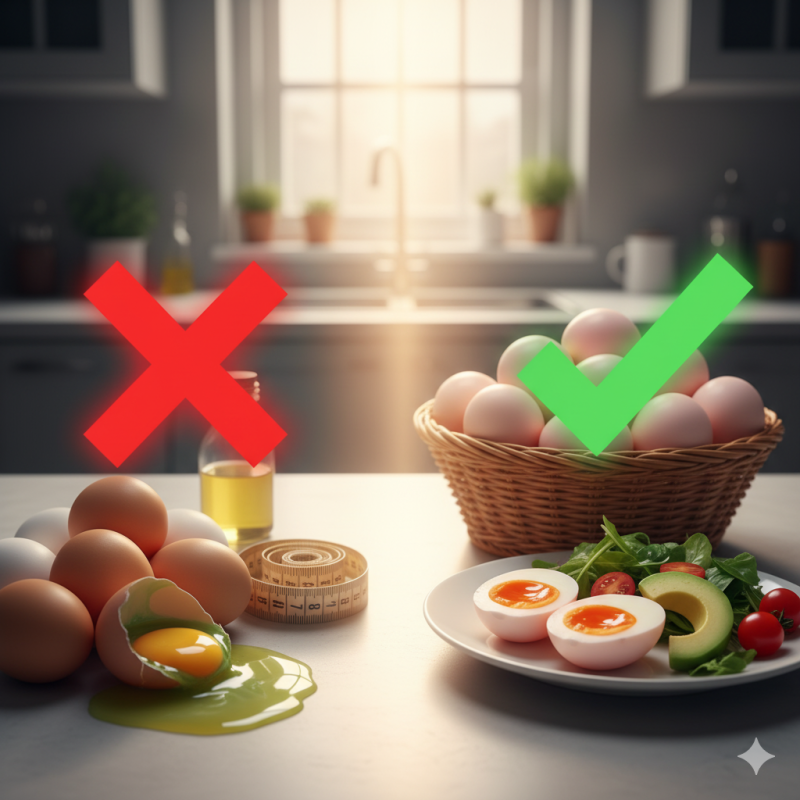
Chicken eggs are a familiar and highly nutritious food. However, there are still many misconceptions surrounding eggs that can affect consumers’ health. Below are some common misunderstandings and the facts you should know.
- Misconceptions About Nutritional Value & Safety
- Are raw eggs more nutritious than cooked eggs?
Many people believe that eating raw eggs preserves all the nutrients. However, that’s not accurate.
Raw eggs contain avidin, a type of protein that blocks the absorption of biotin (vitamin B7) – essential for hair, skin, and energy metabolism.
More dangerously, eating raw eggs increases the risk of Salmonella infection, which can cause serious food poisoning.
Tip: Always cook your eggs properly to ensure both food safety and maximize nutrient absorption.

- Are blood spots in eggs a sign of fertilization?
In fact, blood spot is caused by a small blood vessel breaking during egg formation and is completely unrelated to fertilization.
This is a natural occurrence, and the egg is still safe to eat as long as it shows no strange odor or sign of spoilage.
- Are brown eggs more nutritious than white eggs?
The eggshell color (white, brown, blue, etc.) depends on the breed of the hen and has nothing to do with nutritional value.
The quality of the egg depends on the diet and living environment of the hen, not the shell color.
- Misconceptions About Cooking & Storing Eggs
- Is longer boiling always better?
Boiling eggs for too long creates iron sulfide compounds (the green ring around the yolk), which are harder to digest and may affect the body’s ability to absorb iron.
Tip: Boil eggs for just the right amount of time (about 8–10 minutes) for optimal quality.
- Can you reheat leftover eggs the next day?
Reheating cooked eggs after being left overnight can damage the protein structure and create conditions for bacterial growth, which may cause food poisoning.
Tip: Eggs should be eaten within a day and avoid keeping them overnight.
III. Misconceptions About Foods to Avoid with Eggs
- Are eggs incompatible with sugar, garlic?
This is a folk belief but has no scientific basis. Combinations like eggs with sugar (in making cakes, sweet desserts), or eggs with garlic are completely safe and widely used.
- Foods should not be eaten with eggs
- Persimmonsare often mentioned because they contain tannins, which can bind with egg proteins and cause digestive discomfort.
- Goose and rabbit meatsare also said to cause bloating and digestive disorders when eaten with eggs. IV.Notes When Eating Eggs 8.It is recommendation to eat both egg whites and yolks
- Egg whites are rich in proteinand lecithin – which help metabolize cholesterol.
- Yolks contain vitamins D, B12, and choline– very important for brain and nervous system.
Tip: Eating both parts provide more comprehensive nutrition benefits.
- Young children should not eat eggs too early
- Babies under 6 months have an immature digestive system, eating eggs too early may cause bloating, diarrhea, even allergies.
- Consult a doctor before adding eggs to a baby’s complementary feeding diet.
- People with certain health conditions should be cautious
- Those with high cholesterol, liver disease, gallstones, heart disease, or digestive issuesshould limit egg consumption or only eat egg whites.
- It is best to consult a nutrition specialist for an appropriate diet.
Conclusion
Eggs are a nutritious food, but like any other ingredient, you need to understand and use them correctly. Avoiding common misconceptions about eggs to maximize the value of eggs while protecting the health of yourself and your family.

